Exploring the Significance of the Year 1984 in Chinese History and Culture
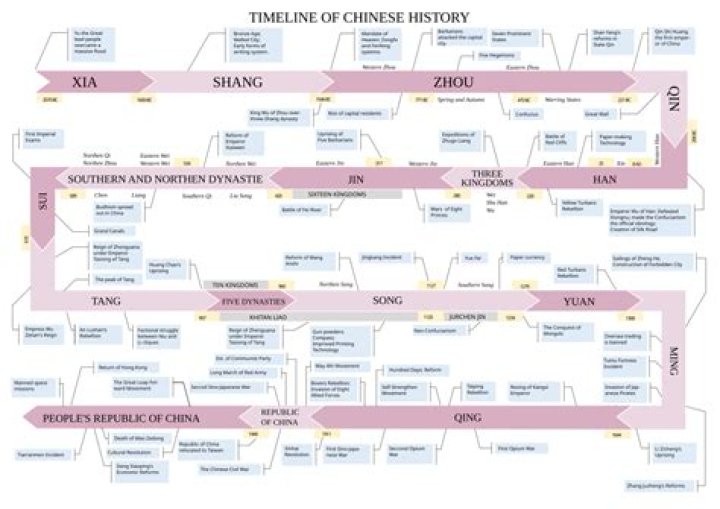
The year 1984 holds a significant place in Chinese history, marked by pivotal events and transformations that shaped the nation's trajectory. From political reforms to cultural shifts, this year stands as a turning point in modern China's development. Understanding the impact of 1984 provides valuable insights into the country's evolution and its global influence today.
During this time, China was navigating a delicate balance between tradition and modernization. The nation was recovering from the aftermath of the Cultural Revolution, and leaders were striving to implement policies that would propel the country toward economic prosperity. The decisions made in 1984 laid the groundwork for China's emergence as a global powerhouse, making it a year worth exploring in detail.
For those interested in Chinese history, culture, or economics, the year 1984 serves as a fascinating case study. It highlights the complexities of governance, the resilience of a population, and the far-reaching consequences of policy decisions. This article delves into the key events, cultural significance, and lasting legacy of 1984 in China, offering a comprehensive overview for readers seeking a deeper understanding of this transformative period.
Political Reforms and Economic Policies in 1984
One of the most notable aspects of 1984 in China was the introduction of significant political and economic reforms. Under the leadership of Deng Xiaoping, the Chinese government implemented policies aimed at modernizing the economy and improving living standards. The "Open Door Policy," which began in the late 1970s, gained momentum in 1984 as China sought to integrate itself into the global economy.
A major milestone in 1984 was the expansion of Special Economic Zones (SEZs). These zones were designed to attract foreign investment by offering favorable tax incentives and relaxed regulations. Cities like Shenzhen, Zhuhai, and Xiamen became hubs of economic activity, driving industrial growth and technological innovation. This strategic move not only boosted China's GDP but also positioned the country as a key player in international trade.
Additionally, 1984 saw the introduction of agricultural reforms that granted farmers more autonomy over their production. Known as the "Household Responsibility System," this policy allowed farmers to sell surplus produce on the open market, leading to increased productivity and rural prosperity. These reforms marked a departure from the centralized planning of the Mao era and signaled a new era of economic pragmatism.
Cultural and Social Transformations
1984 was a year of profound cultural and social change in China. As economic reforms took hold, traditional values began to coexist with modern influences. The younger generation, in particular, embraced new ideas and lifestyles, leading to a cultural renaissance. This period saw a surge in artistic expression, with literature, film, and music reflecting the hopes and challenges of a rapidly changing society.
Emergence of New Art Forms
The arts flourished in 1984, as restrictions on creative expression were gradually relaxed. Writers like Mo Yan and filmmakers such as Zhang Yimou gained prominence, producing works that explored themes of identity, history, and social change. These artists used their platforms to comment on the complexities of modern China, earning both domestic and international acclaim.
Urbanization and Social Dynamics
Urbanization was another hallmark of 1984, as millions of rural residents migrated to cities in search of better opportunities. This mass movement reshaped social dynamics, creating a more diverse and interconnected society. However, it also brought challenges, such as housing shortages and disparities in wealth, which policymakers had to address.
Economic Shifts and Urbanization
The economic landscape of China underwent dramatic changes in 1984, driven by government policies and global market forces. The expansion of SEZs and agricultural reforms laid the foundation for sustained economic growth. By the end of the year, China's GDP had increased significantly, signaling the success of these initiatives.
Urbanization played a crucial role in this transformation. Cities became centers of innovation and commerce, attracting talent and investment from around the world. Infrastructure projects, such as the construction of highways and railways, facilitated connectivity and further fueled economic development.
China's Role in International Relations
1984 also marked a turning point in China's foreign policy. The government sought to strengthen ties with Western nations while maintaining its sovereignty. Diplomatic efforts during this period included trade agreements, cultural exchanges, and participation in international organizations.
Trade Agreements and Partnerships
China's engagement with the global economy was evident in its pursuit of trade agreements. By opening its markets to foreign businesses, China attracted significant investment, particularly from the United States and Europe. These partnerships not only boosted the economy but also enhanced China's reputation as a reliable trading partner.
Participation in Global Forums
China's involvement in international forums, such as the United Nations, underscored its commitment to global cooperation. In 1984, the country actively participated in discussions on issues like climate change, disarmament, and economic development, positioning itself as a responsible global actor.
Long-Term Effects on Modern China
The reforms and policies introduced in 1984 had a lasting impact on China's development. The economic boom that began in this year laid the groundwork for the country's emergence as the world's second-largest economy. Today, China is a leader in technology, manufacturing, and innovation, thanks in part to the decisions made in 1984.
However, the legacy of 1984 is not without its challenges. Issues such as income inequality, environmental degradation, and social unrest remain pressing concerns. Policymakers continue to grapple with these issues, striving to balance economic growth with social welfare.
Key Figures and Their Contributions
Several key figures played pivotal roles in shaping China's trajectory in 1984. Below is a table summarizing their contributions:
| Name | Role | Key Contributions |
|---|---|---|
| Deng Xiaoping | Paramount Leader | Introduced economic reforms and Open Door Policy |
| Zhao Ziyang | Premier | Promoted agricultural reforms and urbanization |
| Hu Yaobang | General Secretary of the CCP | Advocated for political liberalization |
Challenges and Controversies
While 1984 was a year of progress, it was not without its challenges. Critics of the reforms argued that they favored urban areas over rural regions, exacerbating inequalities. Additionally, the rapid pace of change led to social unrest, as some segments of the population struggled to adapt to the new realities.
Addressing Social Inequality
The government implemented measures to address these concerns, such as investing in rural infrastructure and education. However, the issue of inequality remains a topic of debate in contemporary China.
Environmental Impact
The industrial boom of 1984 also had environmental consequences, including pollution and resource depletion. Efforts to mitigate these effects have been ongoing, with mixed results.
Cultural Legacy and Artistic Expression
The cultural legacy of 1984 is evident in the vibrant arts scene that emerged during this period. Writers, filmmakers, and artists used their work to explore themes of identity, tradition, and modernity. This creative outpouring continues to influence Chinese culture today.
Notable Works
- "Red Sorghum" by Mo Yan
- "Yellow Earth" directed by Chen Kaige
- "One Child Policy" documentaries
Global Influence of 1984 Reforms
The reforms of 1984 not only transformed China but also had a profound impact on the global stage. By embracing market-oriented policies, China became a major player in international trade and diplomacy. Its economic success inspired other developing nations to pursue similar strategies.
Lessons for Other Nations
China's experience in 1984 offers valuable lessons for countries seeking to modernize their economies. The emphasis on gradual reforms, investment in infrastructure, and openness to foreign partnerships has been widely studied and emulated.
Conclusion and Call to Action
In conclusion, the year 1984 was a pivotal moment in Chinese history, marked by transformative reforms and cultural shifts. The decisions made during this period laid the foundation for China's rise as a global superpower, while also presenting challenges that continue to shape the nation today.
We invite you to share your thoughts on this article and engage in a discussion about the significance of 1984 in China's history. Feel free to leave a comment below or explore other articles on our site to deepen your understanding of Chinese culture and history.